


venue
KEY DATES
website launch & call for abstract
February 23, 2026
conference registration opens
March 3, 2026
abstract submission extendedApril 19, 2026
April 30, 2026
notification of abstract
acceptance
May 30, 2026
deadline for final submission of reviewed abstracts
June 15, 2026
early bird registration deadline
June 16, 2026
excursions registration deadline
August 3, 2026
conference registration deadline
August 3, 2026
EAAE Annual Conference
August 26-29, 2026
submission of final papers19 October 2026
6 November 2026
notification of paper reviews16 November 2026
30 November 2026
deadline for final submission of reviewed papers14 December 2026
31 December 2026
proceedings publication
end-April 2027
University of Cagliari
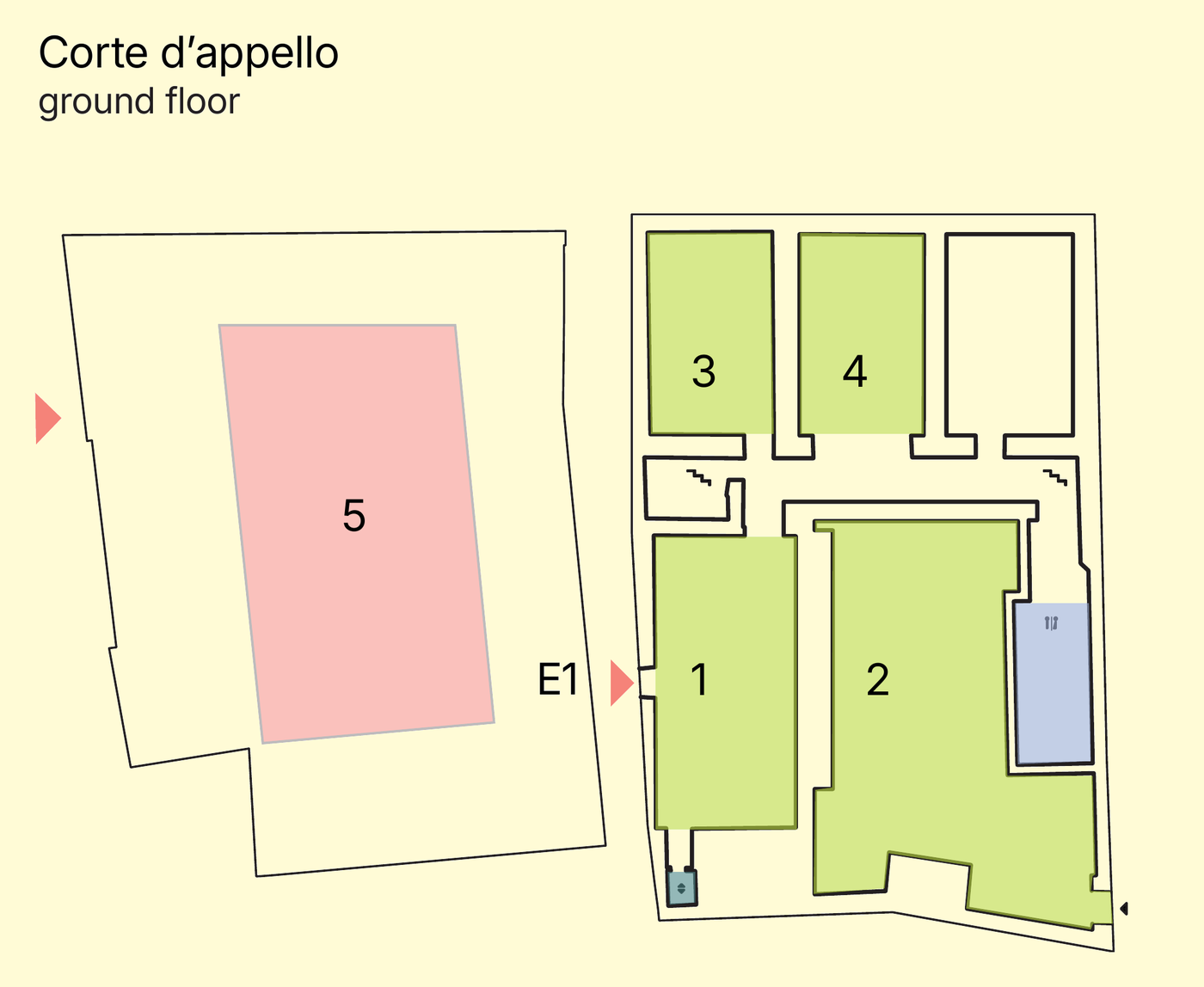
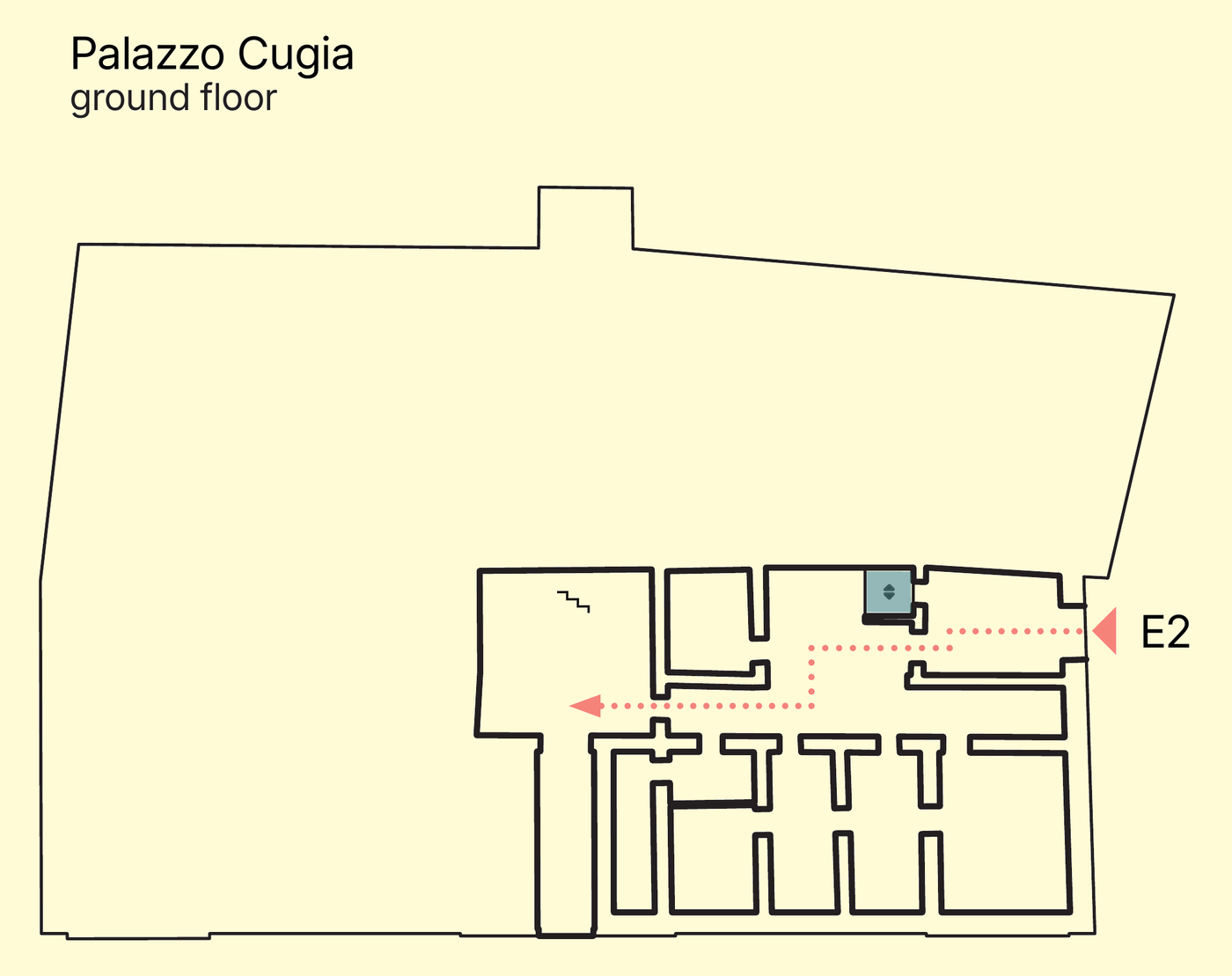
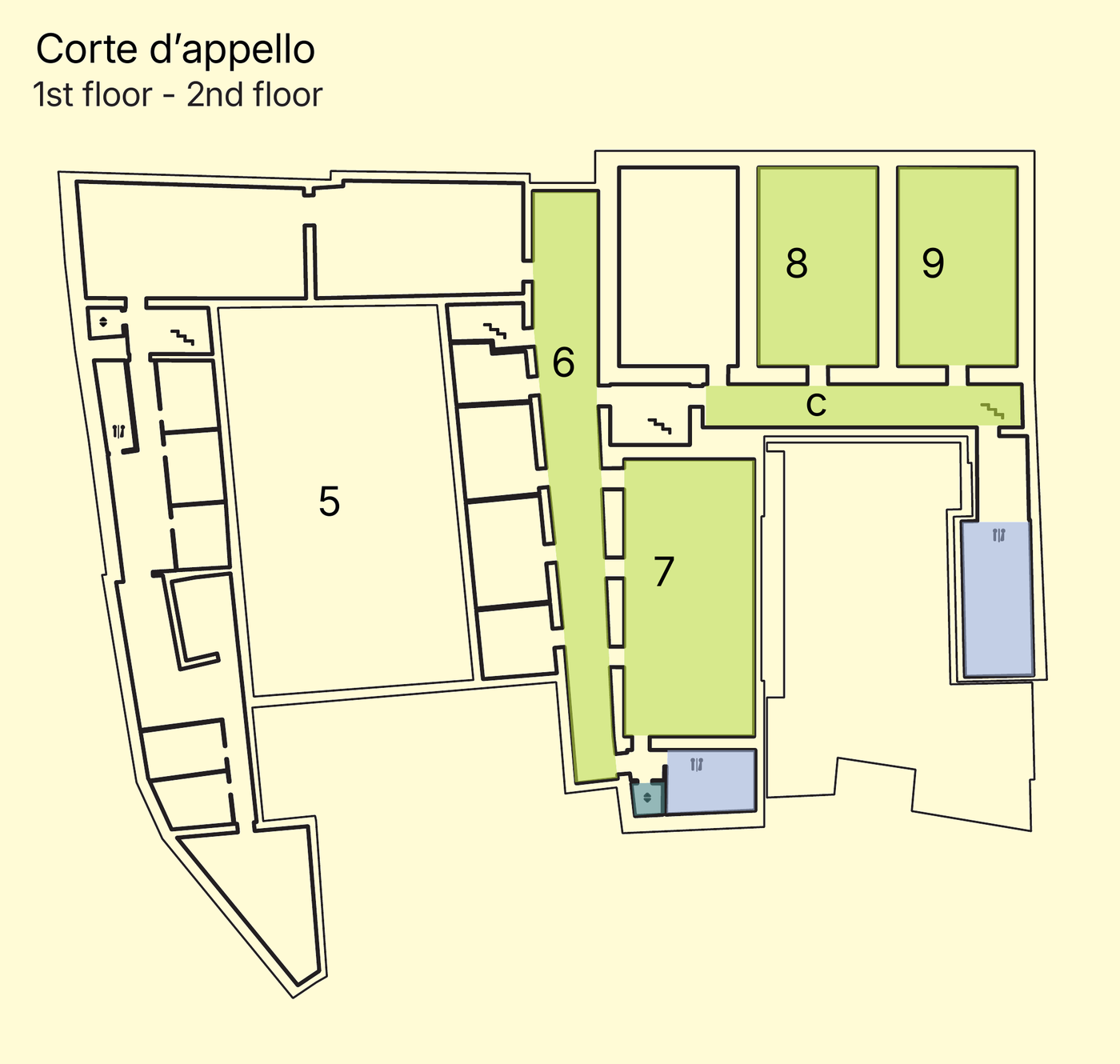
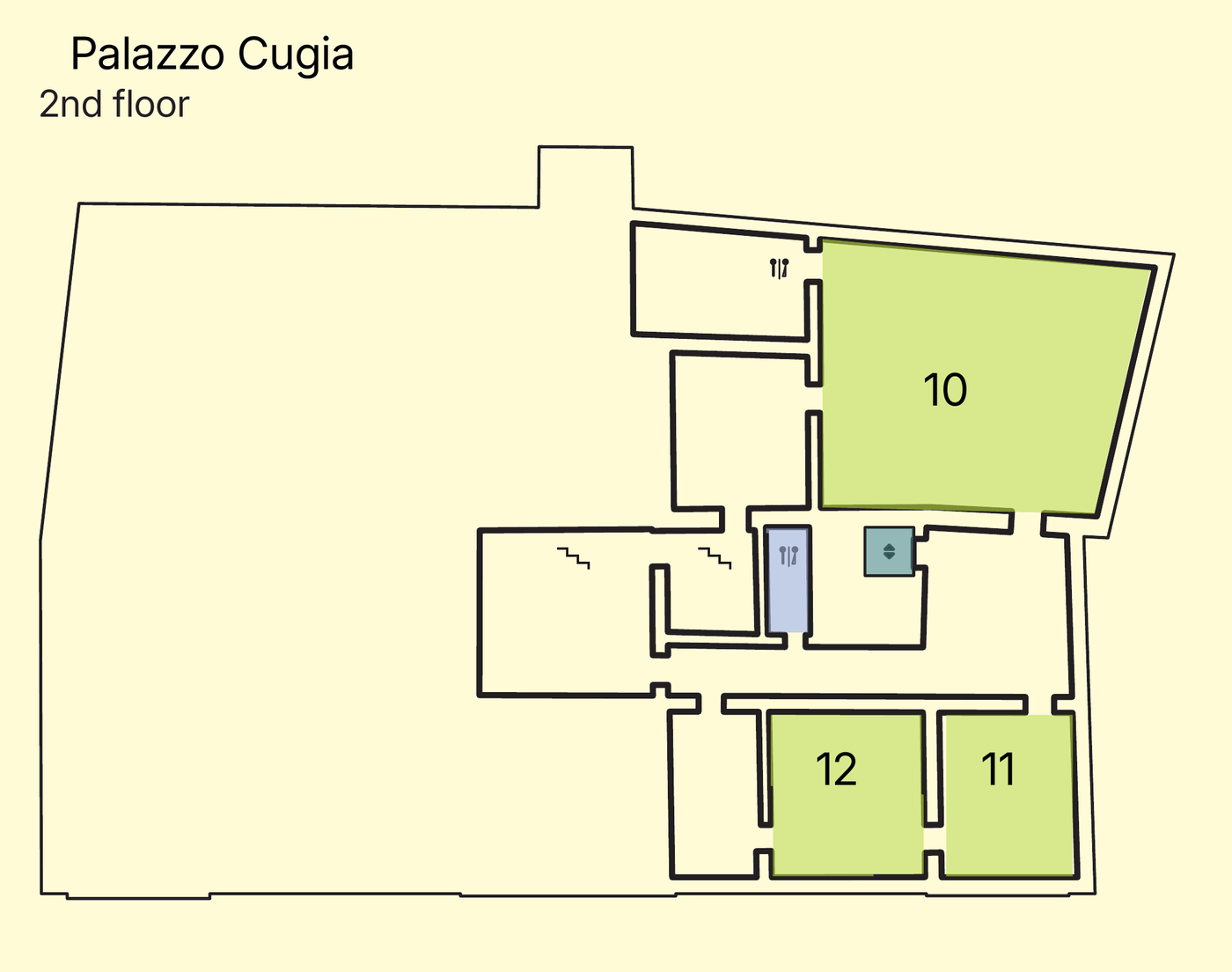
School of Architecture, via Corte d’Appello 87, Cagliari | Italy
A small school, but perhaps not a “small” school
The School of Architecture in Cagliari was established in 2000 within the Architecture degree program and officially became a Faculty in 2006. Architectural Chairs, Institutes, and Departments, however, had already been active since the second half of the nineteenth century. These two dates are highly significant: 2000 coincided with the adoption of the European Landscape Convention, while 2006 marked the approval of Italy’s first Piano Paesaggistico Regionale (Regional Landscape Plan). The growing centrality of landscape within disciplinary, cultural, and institutional frameworks was not incidental, but rather the expression of a broader cultural shift aimed at rethinking development and spatial practices through territorial specificity. Thus, while rooted in the legacy of the Modern Movement, the School has critically reinterpreted the very notion of progress. Over the past two decades, it has contributed to shaping a wider cultural sensitivity grounded in care for place, right measure, and the capacity to operate across scales. Through research, teaching, and design experimentation, the School has trained generations of architects to engage with fragile and evolving territorial conditions, positioning architecture as both a cultural practice and a form of critical inquiry. Consistent with this trajectory and its sustained focus on contemporary territories, the School has been a member of the EAAE for over fifteen years. In November 2025, it also joined the “NEB Goes South” network, becoming one of the first institutions admitted after the six founding schools.
Cagliari, a modern low-density city
Sardinia is an island situated at the heart of the Mediterranean. From the early medieval period onward, it developed a distinctive territorial structure based on fortified cities and villages, later expanding toward the sea and consolidating urban forms that continue to shape Cagliari today. Within the historic Castello district—still enclosed by its sixteenth-century walls—the School of Architecture is housed near the Bastion of Santa Croce, occupying a complex of historic buildings that form part of the city’s urban campus. The University of Cagliari, with approximately 25,000 students across fifteen departments, is largely embedded within the historic city center. This close integration between university and urban space has shaped a contemporary campus model grounded in permeability, proximity, and the activation of public space, transforming the city into an open platform for cultural exchange and research. At the same time, Cagliari serves as the core of a wider metropolitan region (approximately 420,000 inhabitants), interconnected with surrounding towns and forming the most densely populated area of the island. While concentrating many of Sardinia’s resources, this metropolitan hub remains embedded within a low-density territorial system and in constant interdependence with a dispersed network of smaller settlements. This territorial condition offers a critical field for exploring new spatial scales, local production systems, circular economies, and infrastructural strategies. In this context, architecture plays a key role in interpreting and shaping emerging forms of inhabitation, organization, and care.
Sardinia, an island of territories
Some territories narrate themselves not only through their cities, but through the pauses and intervals of their landscapes. Sardinia is one of these: an island that is not isolated. Here, fragments of urban life are dispersed along the coast and across the interior, shaped by low density yet remaining central to architectural debate and education. From this perspective, Sardinia may be read in its anthropogeographical condition (V. Gregotti, 1966): an island constantly confronting its limits. Its measurable and traversable dimension—approximately 300 km from north to south and 150 km from east to west—brings into relation a dense network of villages, landscapes, and local constructive knowledge that counterbalance urban centrality. At the same time, its 2,000 km coastline allows the island to be explored and understood from the sea, offering an alternative spatial reading. This dual perspective informs the recent docufilm On the Sea Side (2023), which documents a circumnavigation of the island as a method for observing forms, memories, and ongoing transformations. Archetypes of low density constitute foundational references within the pedagogical project of the School of Architecture in Cagliari. This approach is articulated through research and teaching lines focused on three territorial lenses: archaeology, production, and domesticity.
The archaeological territory represents a millennia-old spatial system marked by more than 8,000 nuraghi scattered across the island like a primordial code. These megalithic structures testify to a civilization capable of integrating territorial knowledge and cosmological awareness, shaping a city-territory vision currently under consideration for UNESCO recognition. The territory of production, shaped by nineteenth- and twentieth-century agricultural and mining enterprises, generated dispersed settlements and planned micro-cities embedded within the myth of the industrialized landscape. Today, many of these sites remain suspended between abandonment and reuse, calling for calibrated design approaches suited to areas that can no longer be repopulated through outdated paradigms. Among them, the former Sos Enattos Mine has recently been proposed as the site of a major international scientific infrastructure (Einstein Telescope) demonstrating how conditions of isolation and silence may be reinterpreted as strategic resources. Finally, the domestic territory reveals Sardinia as a laboratory for rethinking dwelling during the economic boom of the mid-twentieth century. While often framed as a form of soft colonization, many single-family houses built on the island demonstrate a critical engagement with modern language, shaped by careful observation of a landscape still governed by relatively intact natural systems.
Together, these perspectives frame Sardinia as an island of territories, or, a laboratory for exploring the possibilities of reduced scale where limitation becomes a design resource and XS–S–M can be tested as a paradigm for architectural practice and education.
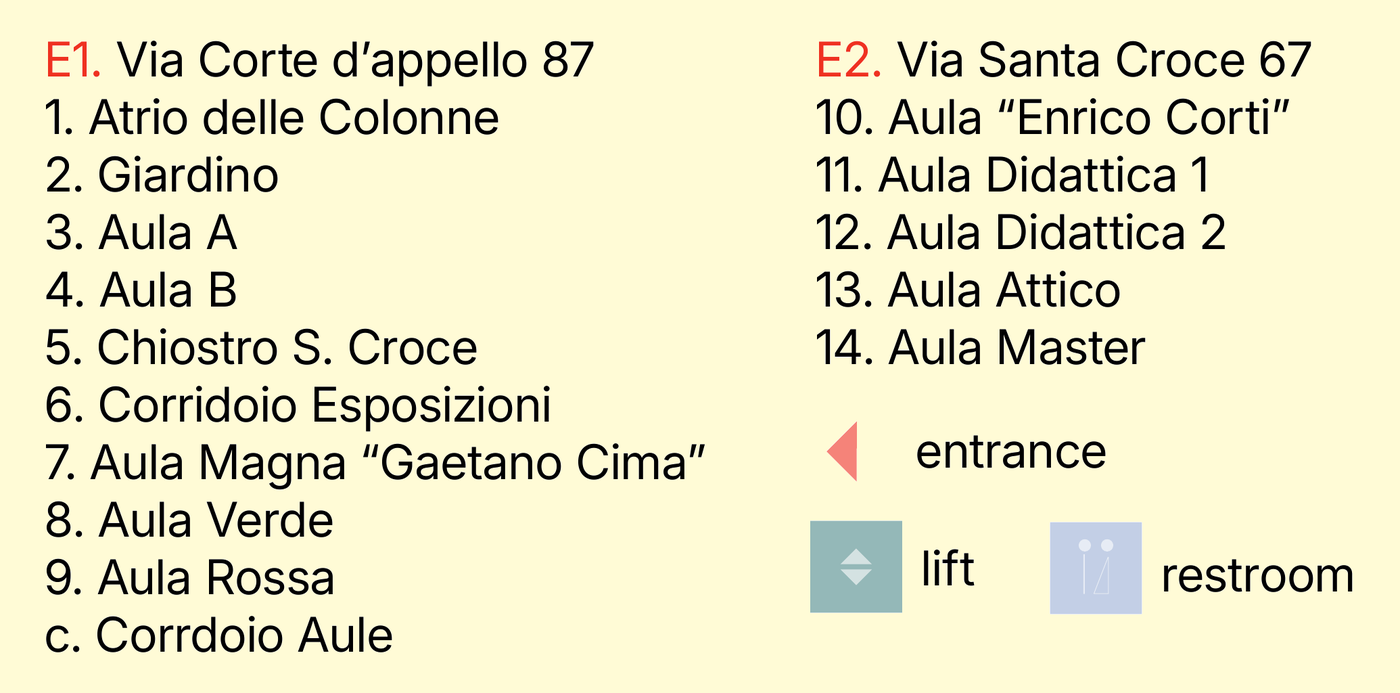
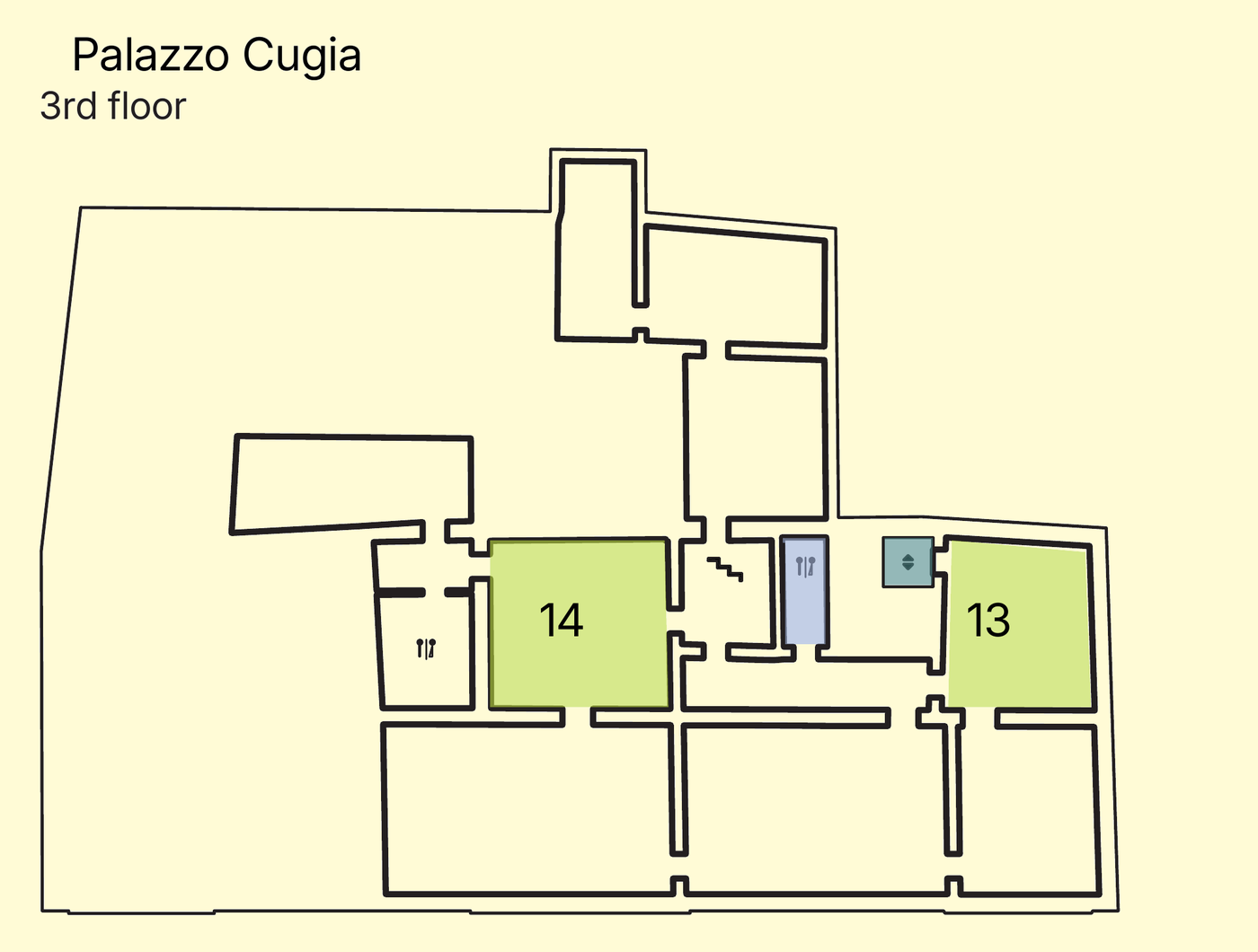
Cagliari Architecture Campus map (PDF)


CREDITS
Steering Commitee
Roberto Cavallo
EAAE President / TU Delft (NL)
Pier Francesco Cherchi
University of Cagliari (IT)
Adriano Dessì
University of Cagliari (IT)
Marco Moro
University of Cagliari (IT)
Local Organizing Committee
Maddalena Achenza, Pier Francesco Cherchi, Adriano Dessì, Alessio Floris, Donatella Rita Fiorino, Stefano Mais, Francesco Marras, Marco Moro, Elisa Pilia, Valentina Pintus, Emanuele Reccia, Sergio Serra
Scientific BoardRoberto Cavallo
EAAE President
TU Delft (NL)
Mia Roth-Čerina
EAAE vice-president
University of Zagreb (HR)
Dag Boutsen
EAAE Council Member
KU Leuven (BE)
Michela Barosio
EAAE Council Member
Politecnico di Torino (IT)
Patrick Flynn
EAAE Council Member
TU Dublin (IE)
Māra Liepa-Zemeša
EAAE Council Member
Riga Technical University (LV)
Madeleine Maaskant
EAAE Council Member
Amsterdam Academy of Architecture (NL)
Claus Peder Pedersen
EAAE Council Member
Aarhus School of Architecture (DK)
Nicolas Pham
EAAE Council Member
ENSA Versailles (FR)
Massimo Santanicchia
EAAE Council Member
Iceland University of the Arts (IS)
Jörg Schröder
EAAE Council member
Leibniz University Hannover (DE)
Ivan Blečić
Dean of DICAAR
University of Cagliari (IT)
Adriano Dessì
EAAE contact person
University of Cagliari (IT)
Carlo Atzeni
University of Cagliari (IT)
Vincenzo Bagnolo
Coordinator of the Bachelor’s Program in Architecture (L17)
University of Cagliari (IT)
Marco Cadinu
University of Cagliari (IT)
Anna Maria Colavitti
University of Cagliari (IT)
Massimo Faiferri
University of Cagliari (IT)
Caterina Giannattasio
University of Cagliari (IT)
Maurizio Memoli
University of Cagliari (IT)
Giorgio Mario Peghin
University of Cagliari (IT)
Paolo Sanjust
Coordinator of Master’s Program in Architecture (LM4)
University of Cagliari (IT)
ORGANISED BY


PARTNERS


SPONSOR
